Introduction
The University of Mumbai (known earlier as University of Bombay) is one of the oldest and premier Universities in India.
It was established in 1857 consequent upon “Wood’s Education Dispatch”, and it is one amongst the first three Universities in India. As a sequel to the change in the name of the city from Bombay to Mumbai, the name of the University has been changed from “University of Bombay” to “University of Mumbai”, vide notification issued by the Government of Maharashtra and published in the Government Gazette dated 4th September, 1996.The University was accorded 5 star status in 2001 & ‘A++’ grade status in April 2017 by the National Assessment and Accreditation Council (NAAC).
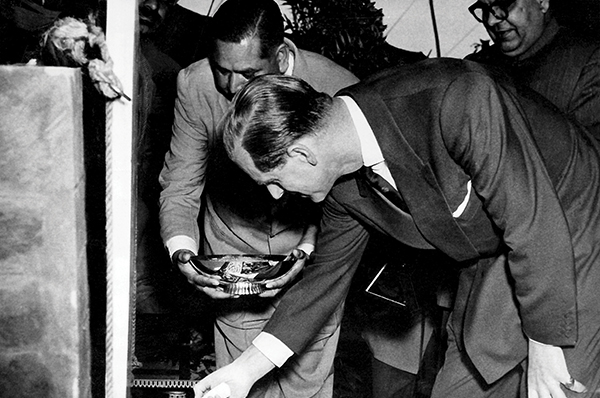
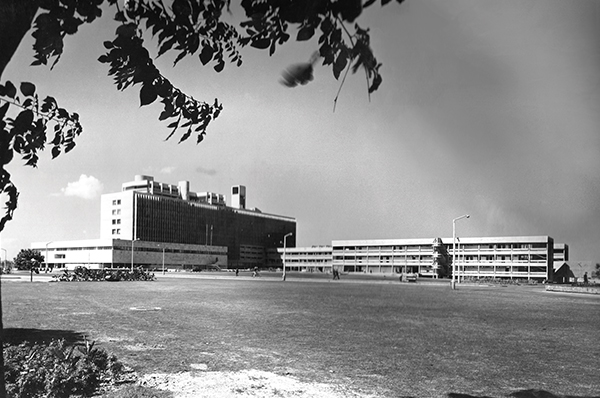
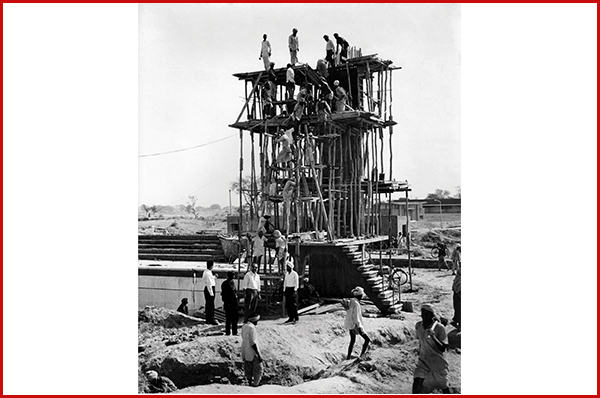

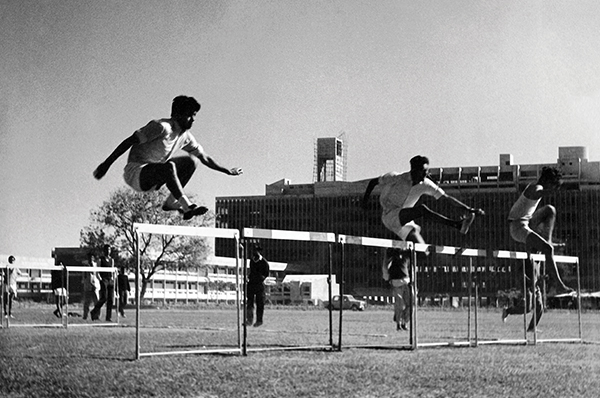



History of the Institute
The University of Mumbai, earlier known as the University of Bombay, is one of India's oldest and most prestigious higher education institutions, established on 18 July 1857 as a direct outcome of "Wood's Education Dispatch" drafted by Sir Charles Wood in 1854. It was one of the first three universities inaugurated in India, alongside the universities in Calcutta and Madras, and was modeled after the University of London.
Early Foundation
The initiative to found the university came from prominent local figures who, through the Bombay Association, petitioned the British Government for enhanced educational opportunities. Upon its incorporation, the university's original function was primarily as an examining and degree-granting body, awarding degrees to students from affiliated colleges but not conducting regular teaching or research. The Fort Campus became its first major site, and initially, university activities took place in Mumbai's Town Hall.
Notable Milestones
-
In 1862, the first degrees—Bachelor of Arts and Licentiate in Medicine—were conferred.
-
By 1883, Mumbai University became the first in India to admit women to all degrees, with Cornelia Sorabji recognized as its first female graduate in 1888.
-
Gradually, the university expanded with post-graduate departments, beginning with Sociology and Civics & Politics after 1904.
-
The Rajabai Clock Tower and the Convocation Hall were built between 1874 and 1878 with significant philanthropic support, adding to the university's architectural prestige.
Growth and Reforms
With independence in 1947, the university's powers were reorganized through The Bombay University Act, 1953, broadening its teaching and research roles. The name officially changed from University of Bombay to University of Mumbai in 1996, coinciding with the city's renaming. By the mid-1970s, student enrollment had grown to over 156,000 with 114 affiliated colleges, a figure that now exceeds 700 affiliated institutions and hundreds of thousands of students annually.
Academic Excellence
Today, the University of Mumbai offers a wide spectrum of undergraduate, postgraduate, and doctoral programs through faculties such as Arts, Science, Commerce, Technology, Law, Management, and Medicine. It consistently ranks among India's top universities and has been accredited with "Five Star" status by NAAC. The university serves both the city and the country as a major center of learning, research, sports, and cultural activities.
Legacy
Over more than 165 years, the University of Mumbai has contributed significantly to India's academic, social, and cultural landscape, producing notable alumni, advancing research, and maintaining a tradition of inclusive education. Its history is marked by continuous growth, innovation, and a commitment to societal advancement.